
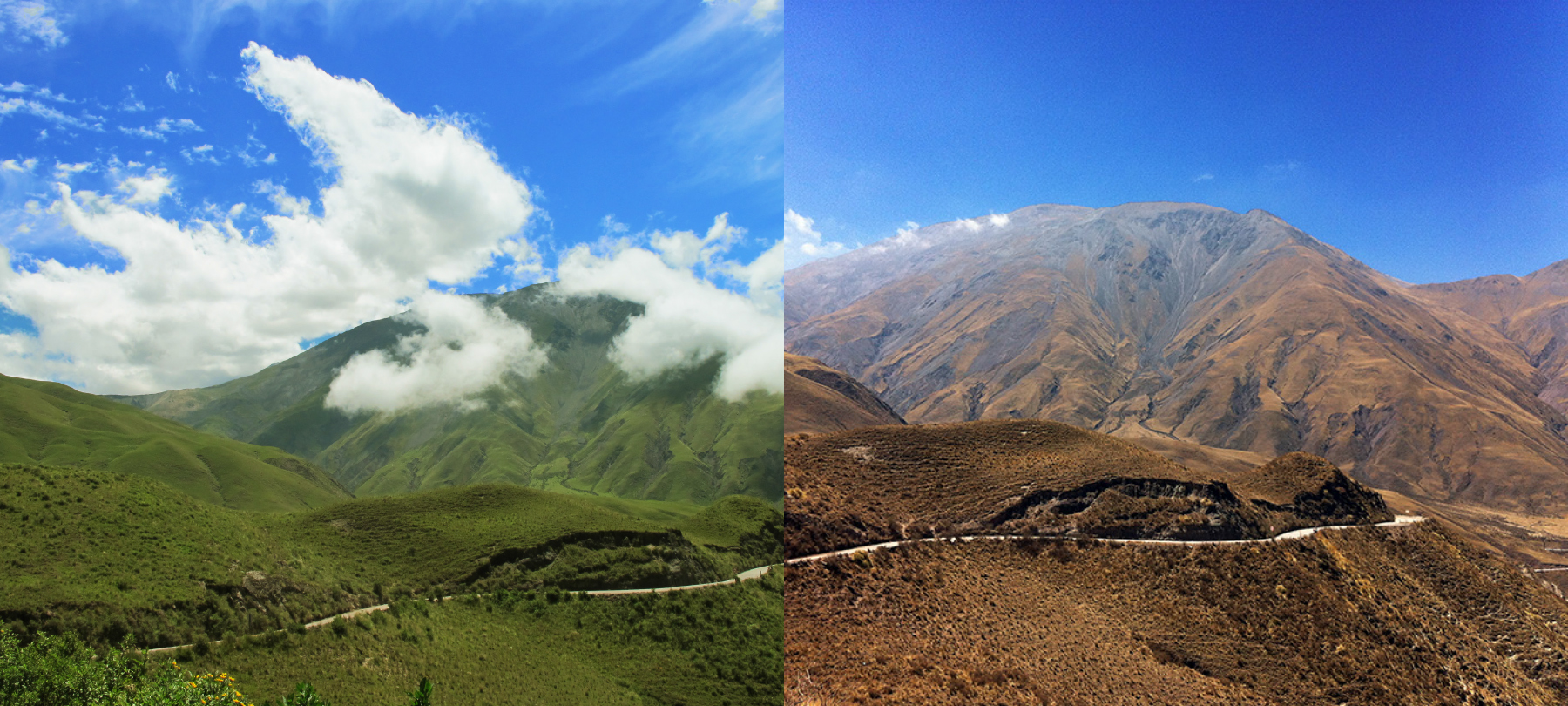
Sky-high vineyards
The courageous thick-skinned grapes, burnt by the sun of the Tropic of Capricorn, beaten by the winds, escaping frost, hail, ants and parrots, are the ultimate expression of the extreme conditions of the terroir.
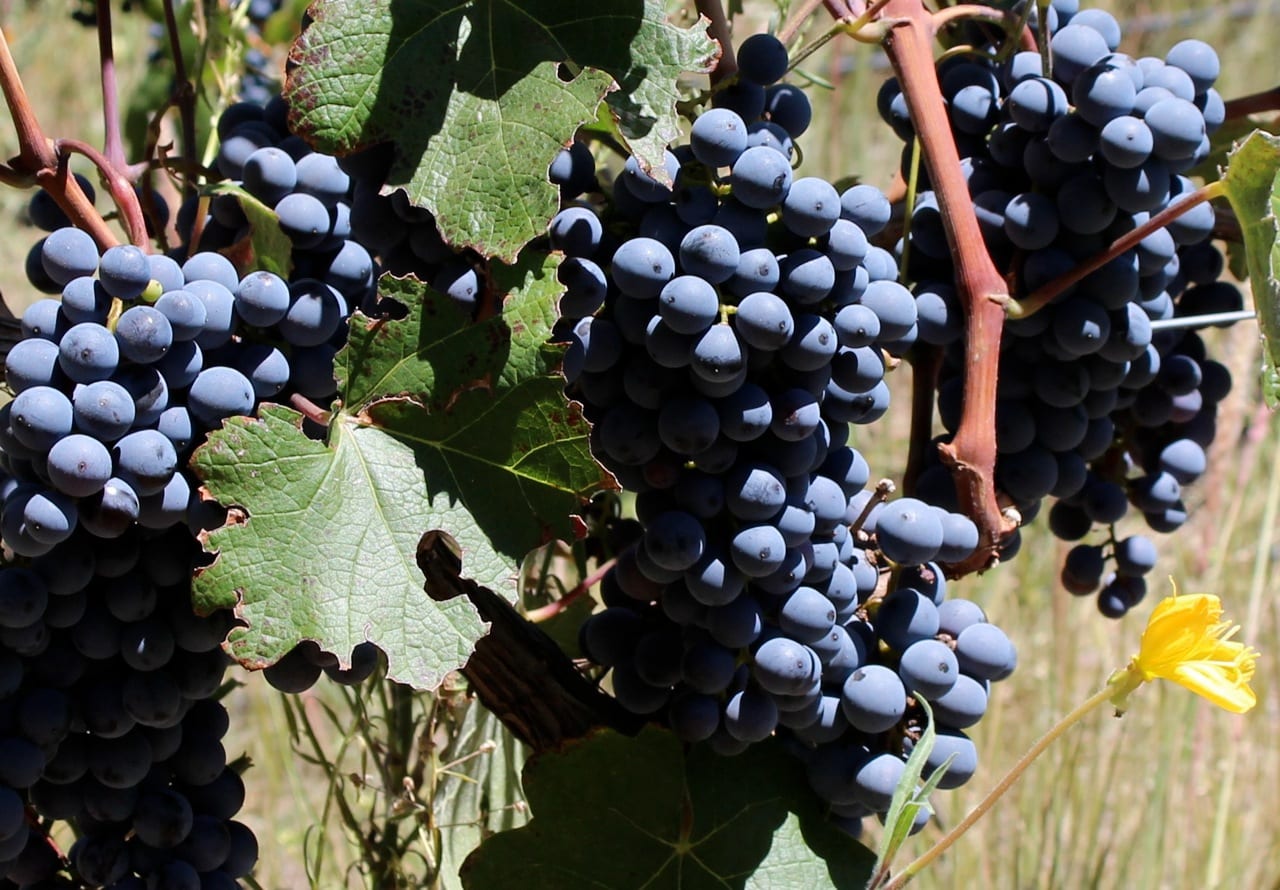
The place
The province of Salta is renowned for its extraordinary beauty and its centuries-old winemaking heritage. Most of its vines grow in the Valles Calchaquíes, a succession of valleys running north to south along the Andean foothills, a majestic landscape dominated by a mineral desert with a few green oases along the riverbanks. The main estates cluster around Cafayate, at 1,700 m, while the high Valles Calchaquíes — hard to reach and short on resources — are the last frontier, where growing vines and making wine is an everyday feat. In their heart, perched at 2,200 m in the tiny village of the same name, our estate covers just four hectares of ungrafted vines.
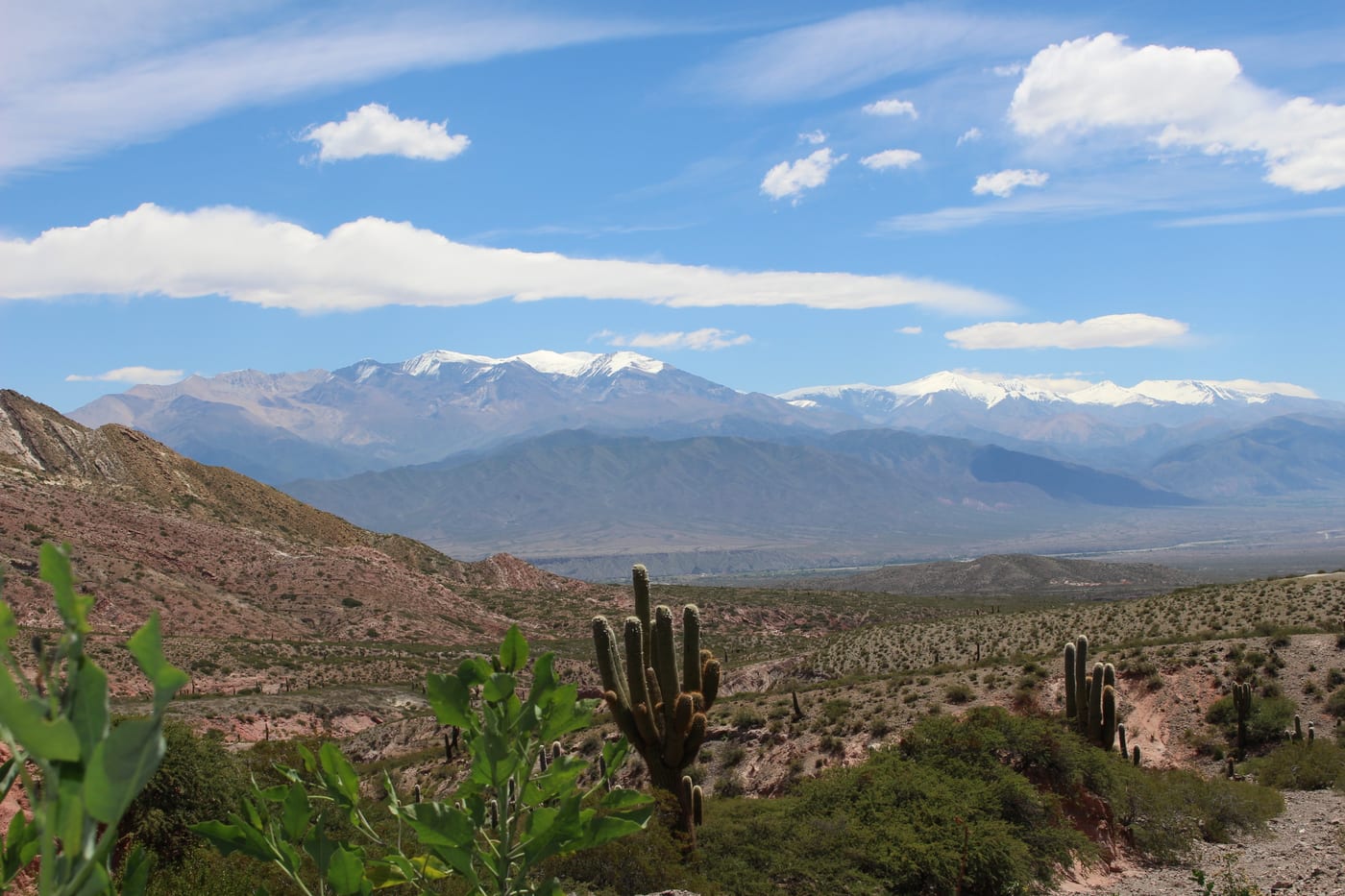
The terroir
At this altitude the climate is extreme: ultraviolet radiation is especially intense, winters are cold, frost is frequent, and the diurnal temperature range — the gap between day and night — can reach 25°C in summer. That swing favours the concentration of tannins and the preservation of acidity in the grapes. The soil, alluvial over a granite base, is sandy with limestone: deep, low in organic matter and permeable, letting the grapes develop unique aromas.
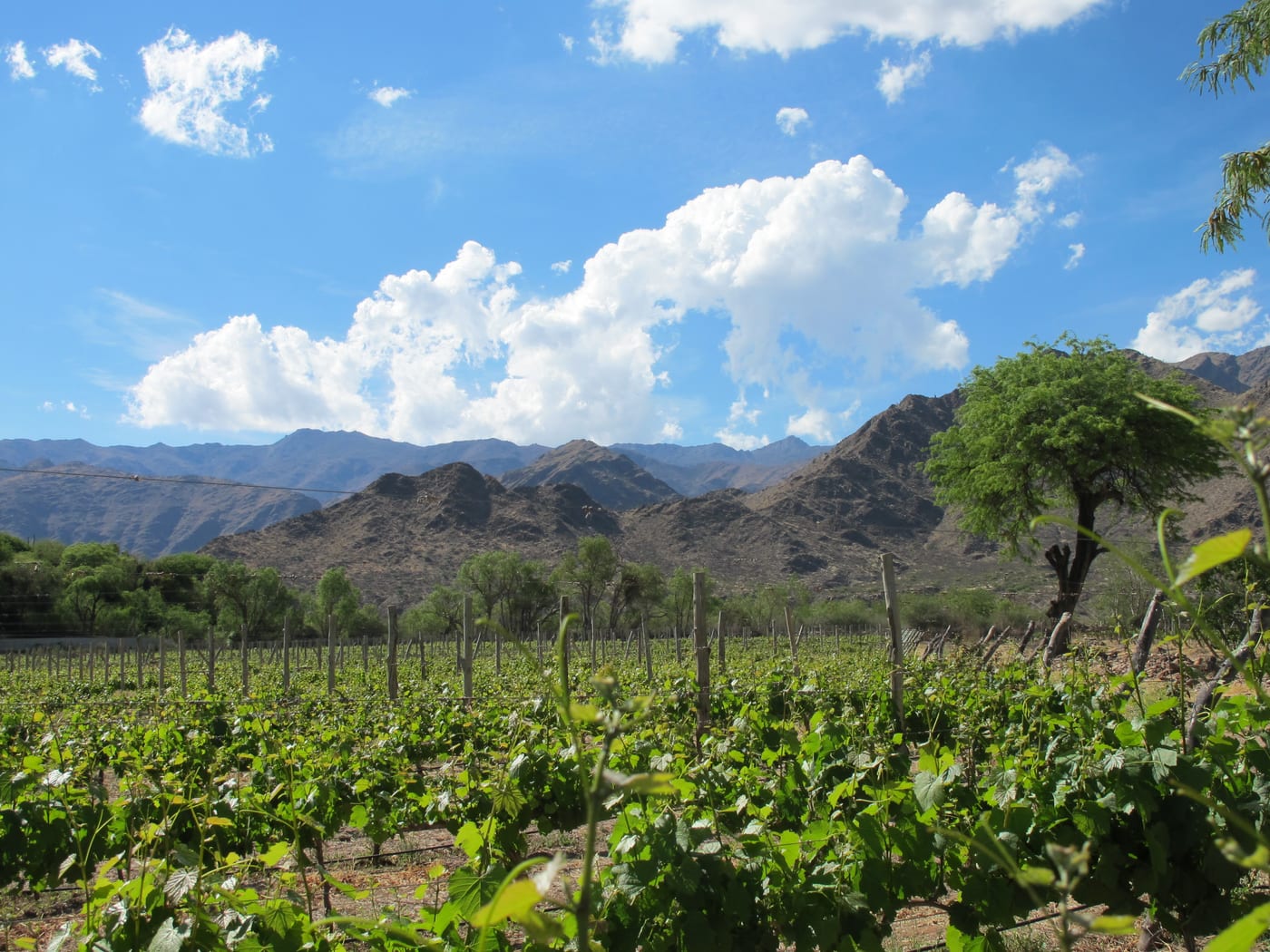
The vineyard
Since 2007, four hectares of ungrafted vines have been planted with an optimal exposure for each variety: the Malbec takes the sun directly, while the Tannat is sheltered by the foliage of the pink-pepper trees. The estate is farmed with minimal intervention and absolute respect for the terroir. Water — vital in this desert — comes from the Andean thaw in spring and mountain rains in summer, carried by remarkably intricate channels dating back to Inca times and run by the community. From vine to cellar, every stage is entirely artisanal. Harvest is set each year at perfect ripeness, and yields are very low: around 20 hl/ha.